Escape game
Most people
The default name here. Correct, once you drop the room. The games
We have gone fully offsite. For a physical escape room, visit Lockdown Escape at Marina Square.
Puzzle hunts, Singapore
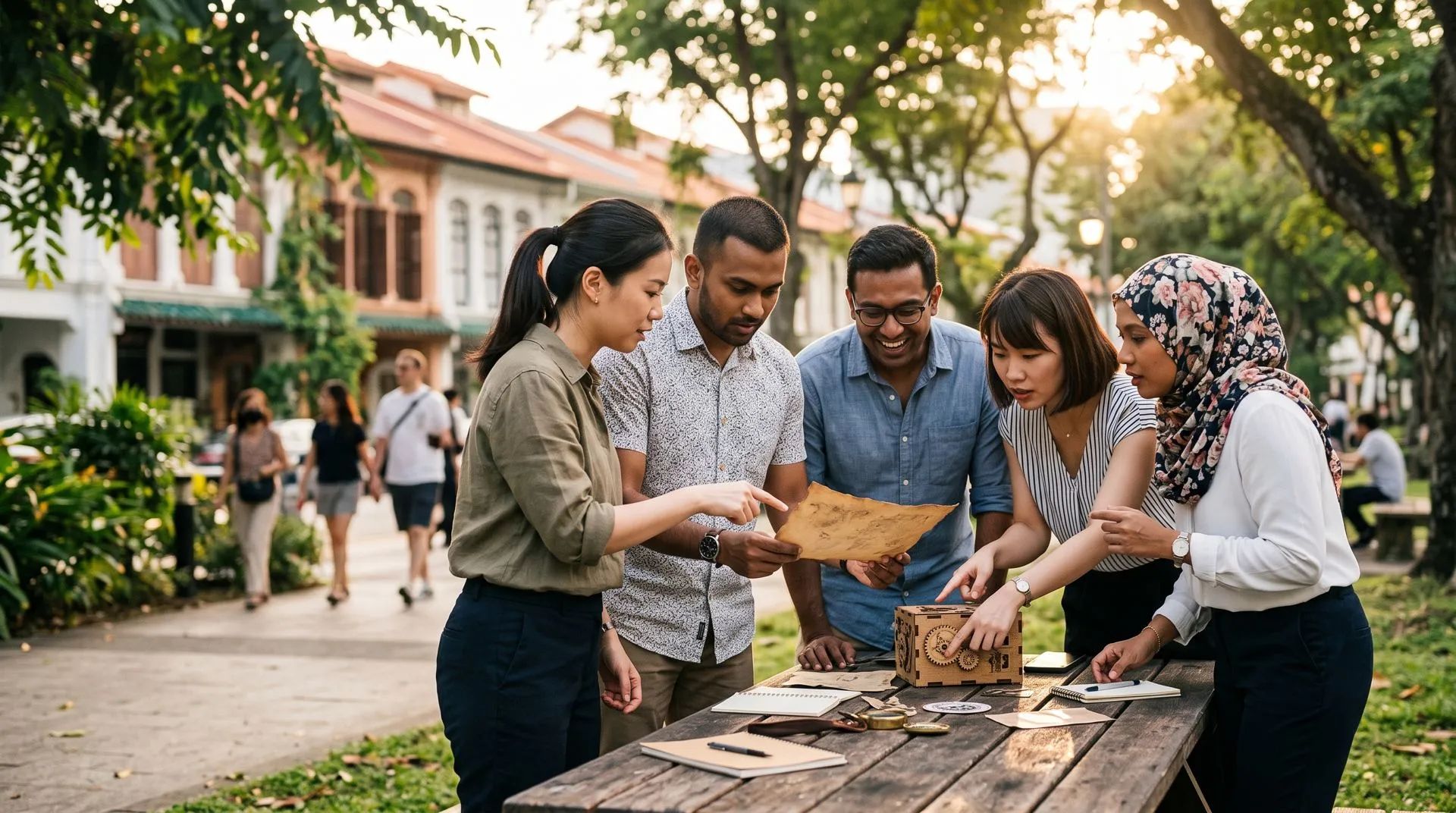
A puzzle hunt is an escape game with the room taken away. Same clock, same chain of puzzles, played across a fort, a museum, a wildlife park or a street of shophouses, so 10 people or 1,000 can run it at once. We have been building them in Singapore since 2013.
Definition
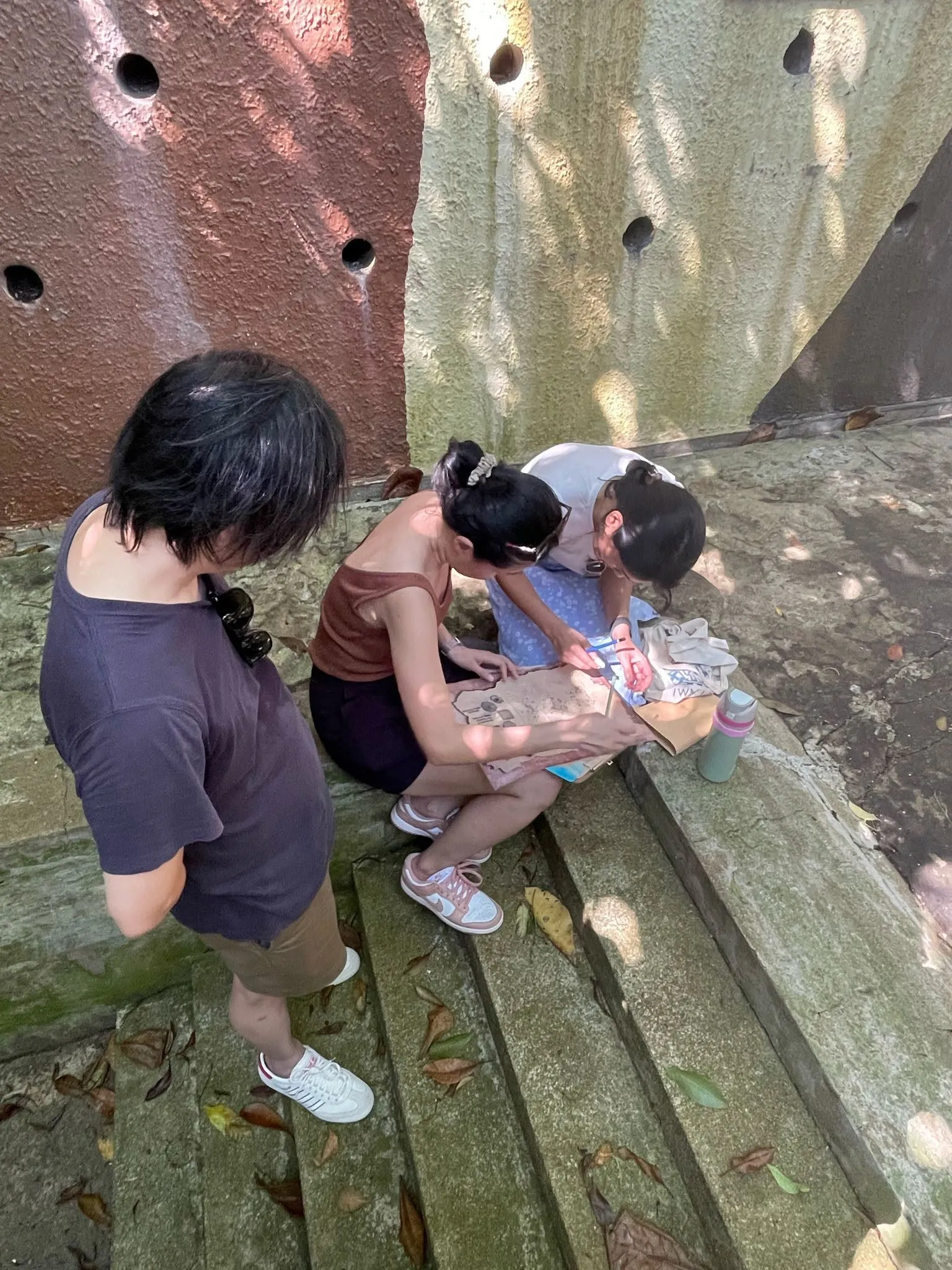
A puzzle hunt is a timed game in which teams solve a chain of linked puzzles, each answer opening the next, until one of them finishes the story. Nothing is locked. The puzzles sit out in a real place, in props, on walls, on an Immersive game in the hands of someone in costume, and the teams move between them. Taking the puzzles out of the room is what lets a whole department play the same game at once.
A retail escape room
A puzzle hunt
We came to it the long way round. The Escape Artist built and ran physical escape rooms in Singapore from 2013, six to eight players at a time behind a locked door. The puzzle craft is the same. What changed is that a company of 400 cannot book a room, so we took the game to them:
And plenty of office function rooms in between.
Same game, four names
Four phrases reach our inbox for one product, each with a different picture attached. The picture decides whether the day goes the way you imagined.
Most people
The default name here. Correct, once you drop the room. The games
People who play them
The precise one. Linked puzzles, a clock, a real place.
The trade
The same format, sized for a whole company instead of six friends. How it scales
People new to it
Usually the TV show. Nine in ten people who ask for one want a puzzle hunt. The race format
The last one is worth pausing on, because a race and a puzzle hunt are two different products. A race is scored on how fast a team gets between checkpoints. A hunt is scored on solving a clue chain in the right order. Either one runs indoors or outdoors, which is why Race to Infinity is listed as both: a sports hall or a building atrium works as well as a park does.
Not sure which one you want
Describe the day you are picturing in a sentence or two. We will tell you which format you are actually asking for, even when the answer is the cheaper one.
Large-scale escape games
What stops most operators at forty is not the puzzles, it is the traffic. Put 600 people on one clue chain in the same order and the game becomes a queue with a story attached.
You tell us how to split the group. Some clients want fours, some want twelves. Everyone plays, nobody spectates.
MazeFox gives each team its own order of stops, so no two teams reach the same prop at the same moment. That is what keeps 600 people off one queue.
People, not an app. They hold timing at each point, give escalating hints instead of answers, and keep a stuck team moving.
The same puzzle chain either way, engineered so the hundredth team has as good a game as the first.
Three of the twelve carry that whole range on their own.
Already have a headcount
The estimate works out the game fee for your exact group size in about thirty seconds, so you can see how the rate per head falls before you talk to anyone.
The case files
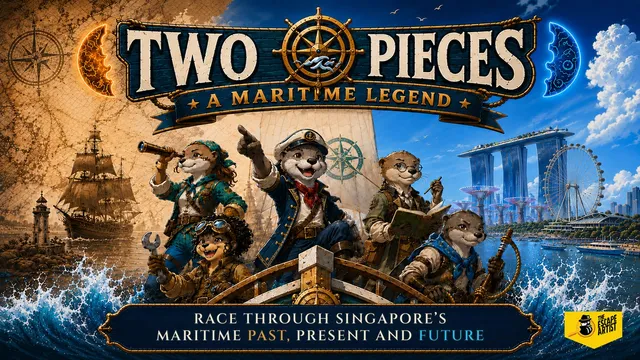
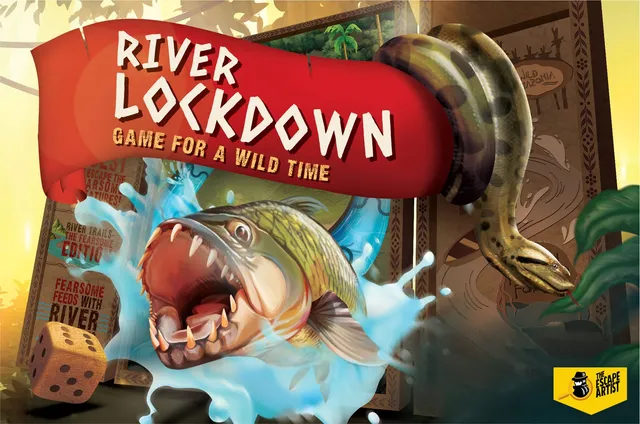
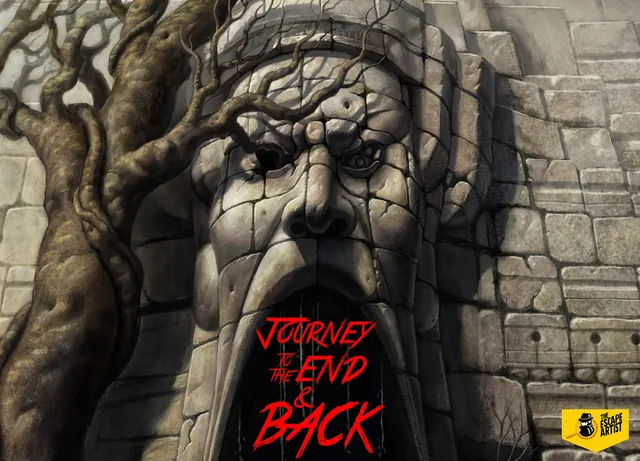
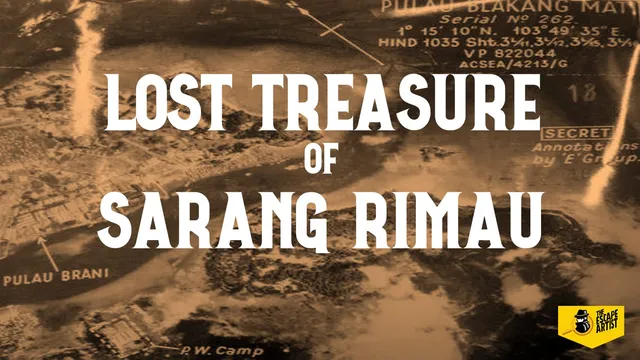
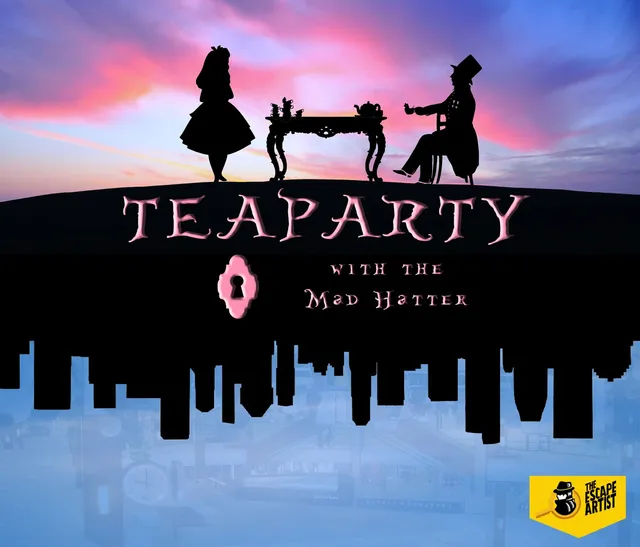
Twelve games, all of them the same craft. What changes is the ground they are played on. Filter the full list by group size and venue, or pick a setting here.
Nothing in that group.
Shortlisted a couple
Send us two or three you like with a rough date. We will check what the venues have open and come back with a proposal for the one that actually fits your group.
Where they run
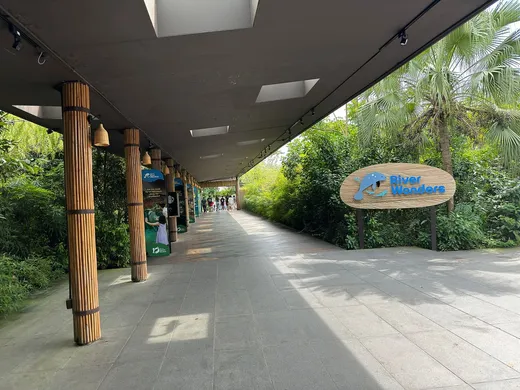
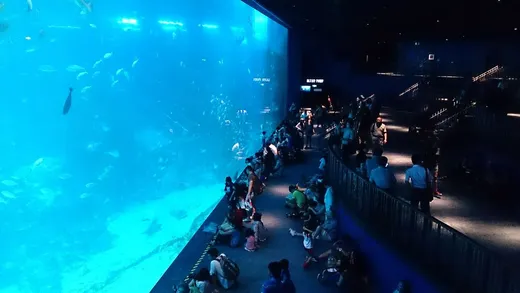
A hunt written for Chinatown does not transfer to Sentosa. The route, the props and half the answers come out of the ground it is played on, so each venue has its own game rather than the same game in a different shirt.
Venue dates go first
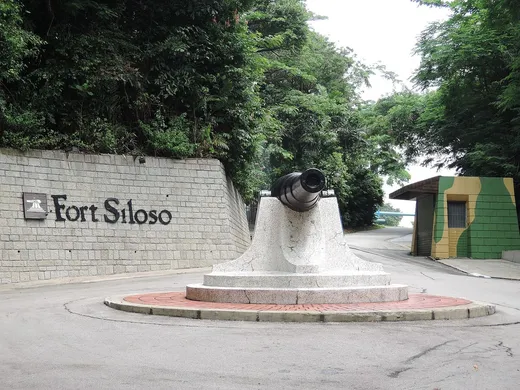
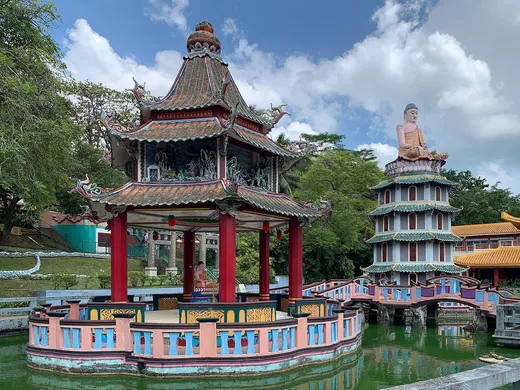
Fort Siloso, Haw Par Villa and the museums book out well ahead, and the date usually decides the game rather than the other way round. Tell us roughly when and we will check what is open.
Who we run these for
The hunt does not change much between them. The briefing, the pacing and the paperwork do.
Company D&D, department offsites, town halls and staff appreciation days. Team building and team bonding for ten people or a thousand, at your venue or one of ours.
Corporate team buildingMinistries, statutory boards, agencies and schools under MOE. We are registered on Vendors@Gov and quote through GeBIZ, with the paperwork done properly.
Government team buildingLearning journeys at museums and heritage sites, orientation camps, VIA projects, post-exam programmes and cohort bonding, from one class to a whole level.
School learning journeysA few times a year we open a game to the public at a museum, a park or a fort. Anyone can buy a ticket to those, no company or school required.
Public games and eventsWhat it costs
A fixed game fee plus SGD 20 a head. Only half of it is fixed, so the rate per person falls as the group grows.
Self-guided on MazeFox, with one of our staff hosting
SGD 300 SGD 20 / pax
Everything in Standard, plus cosplay facilitators around the venue
SGD 1,100 SGD 20 / pax
No GST, we are not GST registered. An admission fee or venue hire sits on top where the venue charges it. The full table is published, and the instant estimate does your number in about thirty seconds.
Pick from 11 games and venues, or tell us your headcount and we will match one.
Catering, transport, prizes, extra activities. Build the day you want.
Our events team sends a tailored proposal with pricing and logistics.
Lock the date and venue. We handle facilitators, props and set-up.
Turn up and play. Our hosts run everything, with facilitators in costume on Immersive.
In good company
69 organisations across the public sector, MNCs, technology, banking, education and healthcare have run games with us since 2013.






























What teams say
★★★★★
We had a great experience with The Escape Artist. They offered a variety of well-planned packages for us to choose from and were very accommodating with advance bookings. Their briefing was clear and helpful, and everything went smoothly on the day of our event.
★★★★★
Our team had an amazing bonding day with the folks at The Escape Artist, from the time we communicated on booking the place (Thanks, Edrin!) right up to the event day (Thanks, Iris and team!). My colleagues and I enjoyed the fun experience due to the challenging puzzles, appropriate ambience and friendly staff.
★★★★★
The puzzles were very challenging and forced all of us to work and communicate together. Highly recommended as a team bonding activity.
Good questions
A puzzle hunt is a timed game where teams work through a chain of linked puzzles, each answer opening the next, until someone finishes the story. It is the same craft as an escape room, without the room: the puzzles are spread across a venue, a neighbourhood or a park, so hundreds of people can play the same game at the same time. Most people in Singapore call it an escape game. Puzzle hunt is the name used by people who play them for fun.
Nearly. A retail escape room locks 6 to 8 people in a themed set for 60 minutes. A puzzle hunt takes the same puzzle chain outside and runs it for 10 to 1,000 people at once, at a museum, a fort, a wildlife park or your own office. Nobody is locked in, the teams move, and the clock still runs. We built and ran physical escape rooms in Singapore from 2013 before we moved the games offsite, so the puzzles come from the same workshop.
An amazing race is scored on how fast you get between checkpoints and finish the task waiting at each one. A puzzle hunt is scored on solving: the next location is the answer to the last puzzle, so a team that thinks well beats a team that runs fast. Plenty of Singapore companies ask us for an amazing race and describe a puzzle hunt, because the race is the name they know from television. We run both, and we will tell you which one your brief is actually describing.
An escape game built for a whole company rather than one team. The puzzle chain is spread across a venue so every team plays at once on its own order of stops, with facilitators holding the timing at each point. That is how 600 people at Fort Siloso is a run sheet rather than a queue. Singapore has only a handful of operators running games at this size; we have been doing it since 2013.
Ten is our minimum and 1,000-plus is the largest we have run. You tell us how to split the group into teams: some clients want fours, some want twelves, and we build the run sheet around that. The game fee is a fixed fee plus a per-person rate, so the cost per head falls as the group grows.
No. The puzzles are built so that a mixed team gets further than a team of specialists: some need observation, some on an Immersive game need someone willing to talk to a stranger in costume, some need someone who reads instructions properly. Facilitators give escalating hints rather than answers, so nobody is stuck long enough to check out of the game.
Keep reading
Request a proposal
Headcount, rough date and whether you want it indoors or out. We reply within one business day with a proposal and a run sheet outline.
Notice
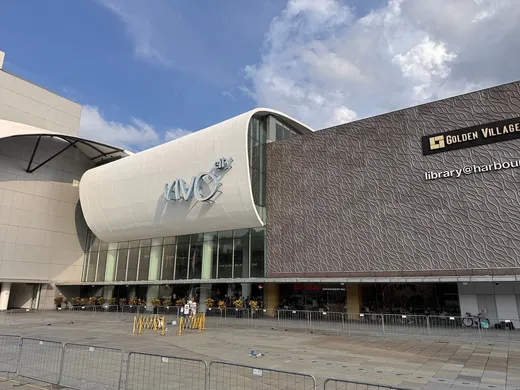
Our HarbourFront outlet has closed. We now run escape games offsite only, as facilitated events for teams of 10 to 1,000+ pax at a venue you choose. There is no room here to book by the hour.